
Oral Health Awareness: Sunstar Research and Insights
For decades, Sunstar has championed scientific innovation, prevention and education in oral health. This central resource hub highlights Sunstar’s global commitment to research, featuring foundational insights into preventive care, mouth-to-body health and the oral-systemic connection.
Developed in collaboration with leading healthcare professionals and researchers worldwide, our work bridges the gap between scientific research and everyday care.
Our Commitment to Oral Health Awareness & Evidence-Based Insights
At Sunstar, we believe oral health is a fundamental part of overall health and well-being. Through this curated collection of expert insights, educational resources and selected webinar content, we aim to increase awareness of preventive oral care and the mouth-body connection.
Our goals include:

Translating research into practical insights
Sharing evidence-based perspectives and clinical knowledge to support oral health awareness and prevention.

Supporting health-conscious communities
Providing accessible educational resources related to oral care across different life stages and health needs.

Promoting holistic health awareness
Highlighting the connection between periodontal health and systemic conditions such as diabetes, heart disease and other major health concerns.
Oral Health Insights and Scientific Perspectives: Preventive Oral Care and Systemic Health
Oral Health Research: The Mouth-to-Body Health Connection
Explore foundational research on how oral health intersects with systemic conditions, including cardiovascular health, diabetes and inflammation. Learn how oral microbiome resilience transforms modern preventive care.
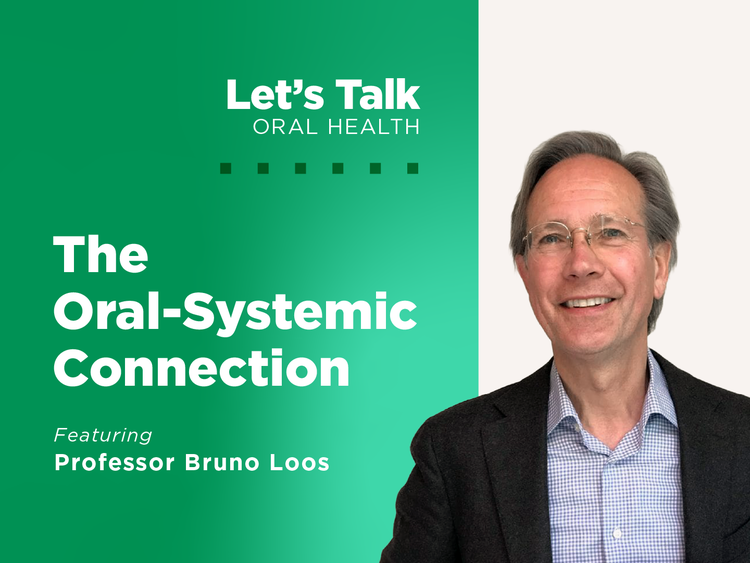
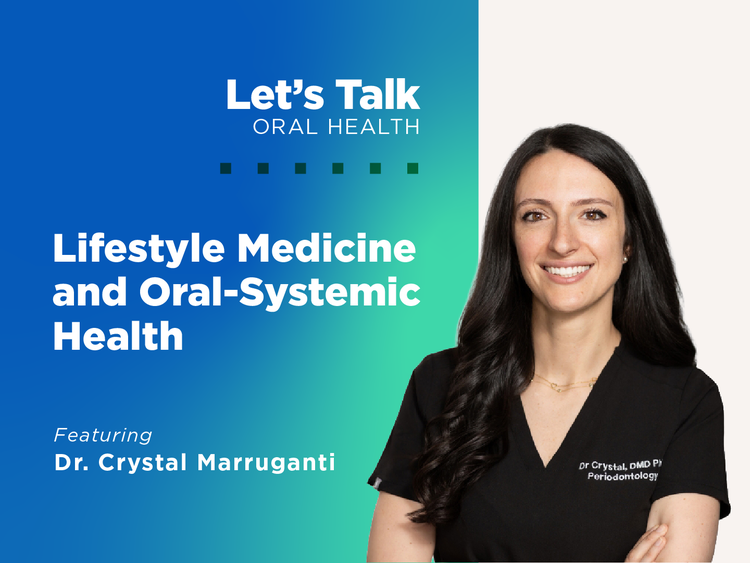
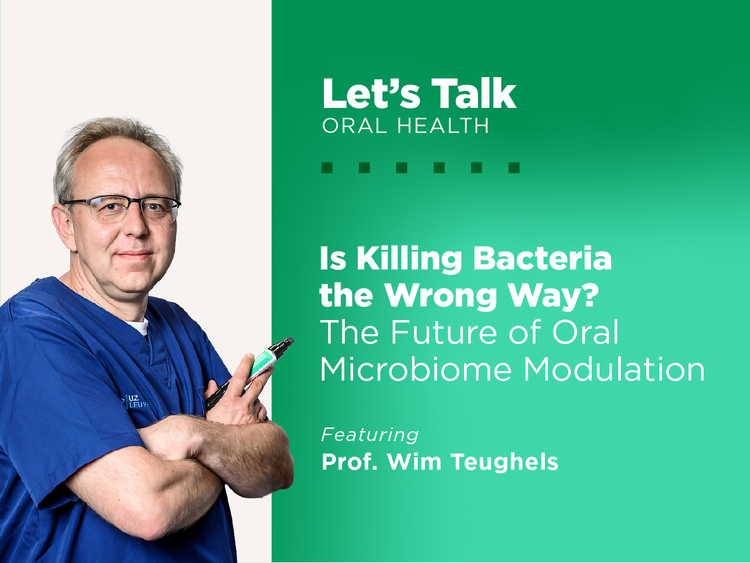


Learn more on the GUM Let’s Talk Oral Health podcast →
Behavioral Science, Prevention and Oral Hygiene Insights
Preventive oral health relies on sustained patient engagement. Sunstar investigates behavioral science models to help healthcare professionals support long-term hygiene habits and effective mechanical plaque control.

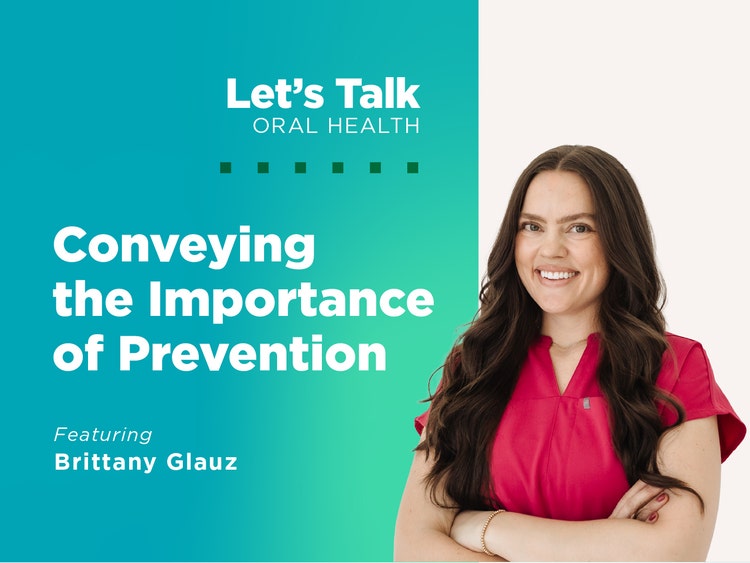


Learn more on the GUM Let’s Talk Oral Health podcast →
Life-Stage Oral Care and Special Care Needs
From pediatric development and pregnancy care to managing oral frailty in aging populations, discover evidence-based guidelines tailored to specific life stages and patient populations requiring specialized care routines.

Oral Frailty in the Aging Population (Article)
Key Takeaway: Exploring oral frailty as an early indicator of physical decline and how preventive oral care may support healthy aging and quality of life.

Pediatric Dentistry and Home-Based Oral Care (Webinar)
Key Takeaway: Guidance for parents on establishing healthy oral hygiene habits supporting children's dental development from an early age.

Pregnancy and Oral Health: Challenges and Opportunities (Article)
Key Takeaway: Exploring how hormonal changes during pregnancy can affect gum health and the importance of preventive oral care throughout gestation.

Caries Prevention and Management in Children (Article)
Key Takeaway: Exploring the importance of early prevention, screening and healthy home-based oral care habits in reducing dental caries in children.

Dentistry for Special Needs and Home-Based Oral Care (Webinar)
Key Takeaway: Exploring approaches to oral care and hygiene support for individuals with special needs and those requiring adapted home-based care.
Learn more on Sunstar Healthy Thinking →
Supportive Care and Specialized Dental Topics
Specialized treatment demands targeted clinical strategies. Discover insights on supporting cancer therapy compliance, managing dentin hypersensitivity and maintaining soft-tissue health during orthodontic or implant treatments.

Supporting Cancer Therapy Compliance with Oral Care (Webinar)
Key Takeaway: Exploring how oral care can help manage the side effects of cancer treatment and support patient comfort, well-being and treatment continuity.

Oral Care Tips for Caregivers: Professional Support Strategies (Article)
Key Takeaway: Practical guidance for caregivers supporting individuals who require assistance with daily oral hygiene and home-based oral care.

Dentin Hypersensitivity Relief: Addressing the Root Cause (Article)
Key Takeaway: Exploring the underlying causes of dentin hypersensitivity and approaches to long-term tooth sensitivity relief.

Orthodontics and Home-Based Oral Care (Webinar)
Key Takeaway: Exploring oral hygiene practices that support gum health and prevent plaque build-up and enamel damage during orthodontic treatment.

Prevention and Treatment of Peri-implant Diseases (Webinar)
Key Takeaway: Expert insights on maintaining dental implant health through preventive oral care and effective clinical and home-based practices.

Oral Hygiene During Orthodontic Treatment: Making it Attractive for Teens? (Article)
Key Takeaway: Exploring behavioral change models and communication strategies designed to foster patient collaboration, improve soft-tissue health and enhance oral hygiene habits among teenage orthodontic patients.
Learn more on Sunstar Healthy Thinking →
Featured Insights from the Sunstar Healthy Thinking Report
Our commitment to preventive oral health and overall well-being is reflected in the Sunstar Healthy Thinking Report — one of the most comprehensive global consumer oral health surveys of its kind, capturing the habits and perceptions of 15,000 respondents across 15 countries.
The findings highlight a significant "behavioral paradox": while 53% of respondents report brushing twice daily, oral health conditions such as tooth decay and sensitivity remain widespread globally. These insights help inform Sunstar’s approach to bridge the gap between scientific research and dental care, empowering oral health professionals and consumers to address the oral-systemic link and improve long-term health outcomes worldwide.

Oral Health FAQs and Expert Insights
How does the oral microbiome influence systemic health and disease prevention?
- The oral microbiome is a complex ecosystem rather than a collection of isolated pathogens. Experts explain that oral diseases like caries and periodontitis represent "ecological catastrophes" or dysbiosis, where bacterial balance is disrupted by factors like hygiene, dietary sugar, or dry mouth. Maintaining balance requires a 360° strategy focused on daily mechanical plaque control, a balanced diet, and supporting healthy microbial diversity.
- Learn More: The Oral Microbiome in Health and Disease
What is "Oral Frailty" and why is it associated with general health?
- Oral frailty is a concept that describes a gradual decline in oral functions — like chewing, swallowing and tongue pressure. Experts Prof. Dr. Martin Schimmel and Prof. Dr. Georgios Tsakos explain that it acts as a "pre-stage" to more serious physical health issues.
- - The early warning sign: While aging involves a general decline in body function, complaints about the loss of chewing ability often "rocket" between the ages of 60–70. This makes oral health markers highly reliable indicators (early warning signs) of impending physical frailty further down the line.
- - The "oral equivalent of mortality": Dr. Tsakos describes edentulism (the total loss of natural teeth) as the "oral equivalent of mortality." Because artificial replacements like dentures cannot fully replicate natural sensation and function, preserving your own teeth is vital for extending your "healthy lifespan."
- - The "full picture" of care: Healthy aging is complex and often involves polypharmacy (taking multiple medications) and multimorbidity (managing several health conditions at once). Dentists must look at the "full picture" of a patient’s health and collaborate with medical doctors to ensure oral care supports the body as it ages.
-

- Practical Prevention: To maintain function, experts recommend using high-fluoride toothpaste to prevent late-life root caries, employing oral training devices (like tongue-pressure balloons) to strengthen chewing muscles and adopting care models that support hygiene as physical capabilities change.
- Learn More: Oral Frailty in the Aging Population
How can specialized oral care support patients undergoing cancer treatment?
- Cancer treatments, particularly radiotherapy for head and neck cancers, can lead to severe oral complications that may interrupt oncology therapy if not managed. Experts like Prof. Carlo Lajolo and Ms. Susan Cotten highlight that early intervention (ideally one month before radiation starts) is the gold standard for reducing side effects.
- Common Challenges & Evidence-Based Strategies:
- - Managing mouth sores (oral mucositis): Cancer treatment can cause painful swelling and ulcers (open sores) in the mouth. To prevent this from becoming severe, start a strict cleaning routine early. Use special mucoadhesive sprays (sprays that stick to the mouth’s surface) to create a protective barrier and provide relief.
- - Beating dry mouth (xerostomia): Radiation can damage salivary glands, making spit thick or making the mouth feel like a desert. To help, use saliva substitutes, sugar-free gums, or lemon drops to get moisture moving. Avoid sparkling water, as the bubbles can strip away the mouth's natural protective coating.
- - Preventing tooth decay and bone damage: Radiation makes teeth weaker and stops the jawbone from healing properly. This makes pulling a tooth very risky, as it can lead to osteoradionecrosis (permanent bone damage). The goal is to save every tooth using high-fluoride treatments (special gels or trays) to avoid the need for surgery.
- - The power of early detection: Your dental team is your first line of defense. They check for early signs of trouble, like persistent hoarseness or swollen lumps (lymph nodes). They work directly with your cancer doctors to finish all dental repairs in the short window before your treatment starts.
- Learn More: Cancer therapy compliance and oral care
How can caregivers manage oral hygiene for patients with physical or cognitive limitations?
- Caring for someone else’s teeth is significantly more complex than caring for one’s own, especially as more seniors now retain their natural teeth rather than having full dentures. Experts suggest that the key to success is an integrative and adaptive approach rather than enforcing strict "two-minute" rules.
- Key Strategies for Caregivers:
- 1. The "bridging" and "chaining" techniques:
- - Bridging: Have the patient hold a toothbrush while you guide their hand. This engages their senses and reduces the feeling of being "threatened."
- - Chaining: Let the patient start the brushing process to maintain their autonomy, then follow up to ensure all surfaces are clean.
- 2. Managing care-resistance: For patients with dementia or sensory issues, perform oral care at the same time and place every day to establish a soothing routine. Stand behind the patient rather than in front of them to appear less confrontational.
- 3. Adaptive tools: Modify toothbrushes with foam tubing or towels for a better grip. Consider high-fluoride toothpaste (5000 ppm) to prevent root caries and alcohol-free mouthwashes to supplement mechanical cleaning when brushing is difficult.
- 4. The pneumonia link: It is critical to recognize that good plaque control may help reduce the risk of dying from aspiration pneumonia by 40-50% in the elderly.
- 5. Denture awareness: Caregivers must be taught to remove mobile prostheses daily. Leaving dentures in indefinitely can lead to candidiasis (fungal infections) and significant pain.
- Dental professionals serve as "facilitators," helping caregivers build a toolkit and a personalized checklist to ensure oral care, a vital pillar of general health, is never overlooked.
- Learn More: Tips for Caregivers: How to support the best possible oral care
Why is "Behavioral Change" the primary challenge in modern dentistry?
- Despite clinical advancements, oral disease remains widespread because long-term health depends on daily patient habits outside the clinic. Bridging the "Intention-Behavior Gap" requires psychological models rather than simple instruction. Frameworks like the GPS-P Model (Goal-setting, Planning, Self-monitoring, and Perseverance) help patients build long-term, automatic hygiene habits over time.
- Learn More: The Importance of Behavioral Change in Dentistry
Oral Health Education Resources
Looking for the latest professional education content, product resources and Let’s Talk Oral Health podcast episodes? Explore additional expert-led oral health education resources and insights from GUM® for Professionals.