
Global Oral Health Statistics: The Healthy Thinking Report
Insights from the Sunstar global Healthy Thinking study of 15,000 consumers across 15 countries
The Healthy Thinking Report is a global study by Sunstar, reviewed by Sunstar’s Scientific Affairs team and written by dental writer Caroline Holland.
Data Baseline: 2021 | Last Updated: June 2026
The Global Oral Health Statistics Report 2021: Methodology and Reach
The Sunstar Global Healthy Thinking Report 2021 is one of the most comprehensive global consumer-based studies to date. By surveying a large and diverse population, it identifies the “Oral Health Gap,” the disparity between daily oral hygiene habits and actual clinical outcomes.
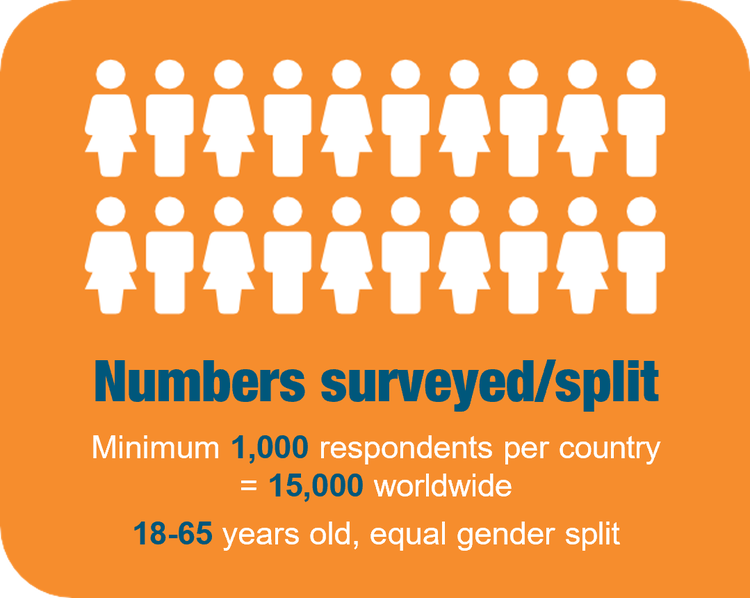
- 15,000 Global Respondents: The study surveyed a minimum of 1,000 consumers in each of the 15 participating countries.
- Demographic Balance: To ensure a representative global perspective, participants were split evenly between men and women aged 18–65.
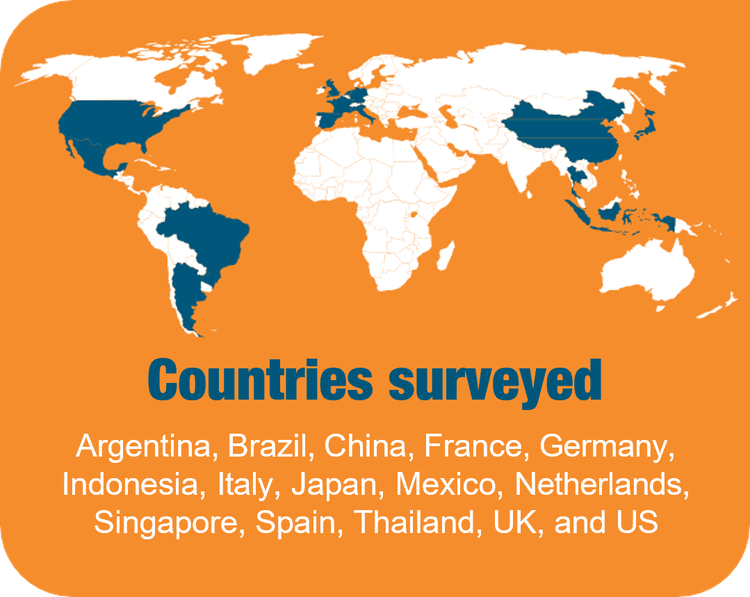
- 15 Countries Surveyed: Insights were gathered from Argentina, Brazil, China, France, Germany, Indonesia, Italy, Japan, Mexico, the Netherlands, Singapore, Spain, Thailand, the United Kingdom, and the United States.
Executive Summary: Key Global Oral Health Statistics and Findings
Global oral health behaviors show relatively high levels of routine care. However, significant oral health problems and clinical issues persist across populations worldwide.
- 53% Brush Twice Daily: Only just over half of the global population maintains the recommended frequency of brushing twice a day.
- 30% Tooth Sensitivity, 28% Tooth Decay, 22% Gum Disease: Despite regular brushing habits, oral health issues remain widespread globally, with tooth sensitivity ranking as the most commonly reported concern, followed by tooth decay and gum disease.
- 21% Understand the Oral-Systemic Link: Only a small proportion of consumers globally recognize the bidirectional relationship between oral health and systemic conditions like diabetes and heart disease.
In line with these findings, the 2021 Healthy Thinking Report continues to guide Sunstar’s global approach to improving oral health and overall well-being. The report findings help shape Sunstar’s ongoing initiatives to reduce the global “Oral Health Gap” and support preventive care, education and healthier lives for people around the world.
Building on these core metrics, the following sections outline the key global oral health insights across regional and national contexts, statistical benchmarks and population-level oral health data derived from this cross-country study.
Key Global Oral Health Insights, Statistics and Benchmarks
The World Health Organization’s 2021 oral health resolution1 (adopted at the 74th World Health Assembly2) elevated oral health as a global public health priority. This resolution is particularly timely, as oral diseases now affect over 3.5 billion people, despite being largely preventable.
In response, global movements such as the Alliance for a Cavity-Free Future (ACFF)3 are working to ensure that children born after 2021 can live a life free of cavities. Sunstar’s research supports this mission by identifying the "behavioral paradox," a global trend where high brushing frequency does not always translate into better oral health outcomes. The persistence of decay, despite reported hygiene habits, suggests that routine brushing alone is not enough without proper technique, education, and preventive care access.
Together, these insights reveal a gap between oral health awareness and actual health outcomes. Addressing this gap forms the foundation of Sunstar’s strategic direction to advance preventive care and oral health promotion worldwide.
3.5 Billion Reasons for Prevention: The Oral-Systemic Link
Understanding the Bidirectional Relationship Between Oral Health and Systemic Health
While oral diseases affect nearly 3.5 billion people worldwide, the impact goes far beyond the mouth. Sunstar’s research highlights the oral-systemic link, emphasizing the connection between poor oral hygiene and non-communicable diseases (NCDs) such as diabetes, heart disease, and kidney disease. This connection also extends to respiratory health and sleep disorders, reinforcing the mouth's role as an indicator of overall physical health and a key factor in chronic disease prevention.
From Insights to Action: Sunstar’s 2026 Oral Health Strategy
Building on the findings of the Healthy Thinking Report and our 2024 Group Report, Sunstar positions oral health as a fundamental pillar of systemic disease prevention and a core component of Universal Health Coverage.
Our strategy focuses on advancing preventive care, research and awareness that champion the 'Mouth & Body' connection.
- Integrating oral and systemic health care: Leveraging technology, research and education to connect oral health with overall health and provide personalized solutions for consumers and professionals.
- Reducing the burden of non-communicable diseases (NCDs): Actively supporting the prevention of conditions such as diabetes and heart disease through advanced periodontal care, prevention and professional education.
- Empowering preventive oral health habits: Promoting daily rituals that go beyond basic brushing to support long-term oral and overall health.
Guided by our mission of "Helping people lead healthier, better lives," Sunstar is committed to a future where oral health is recognized as an essential part of overall health and well-being.
Most Common Global Oral Health Concerns by Prevalence
Despite high brushing rates, significant clinical issues remain prevalent worldwide. This figure highlights the disparity between daily hygiene efforts and actual health outcomes.
1. Tooth Decay (49%): Nearly half of the global population is affected. This remains the leading global oral health burden. The high global average underscores a critical "Prevention Gap," even in markets with high hygiene awareness, such as Thailand.
2. Tooth Sensitivity (39%): Affecting approximately 2 in 5 people. As the most frequent secondary complaint, sensitivity is often linked to enamel erosion. It is a key reason for consumers seeking specialized professional care today.
3. Bad Breath/Halitosis (30%): A significant social and hygiene motivator. Often a primary driver for behavioral change, concerns regarding bad breath result in higher rates of tongue cleaning and mouthwash use, particularly in markets like Japan.
4. Gum Inflammation & Disease (26%): The critical link to systemic health. Over a quarter of the population suffers from periodontal issues. As a major risk factor for conditions like diabetes and heart disease, supporting better gum health is a key priority for Sunstar.
5. Tooth Erosion (25%): 1 in 4 people report thinning enamel. This reflects modern dietary shifts toward acidic and staining beverages like coffee, sodas and wine, which compromise dental resilience over time.
6. Regular Mouth Ulcers (13%): A key indicator of oral mucosa health. While lower in prevalence, frequent ulcers often signal underlying issues with the oral microbiome or systemic deficiencies, highlighting the need for holistic oral care.
Overall, these conditions reflect the complexity of oral health challenges affecting daily function, clinical health, and overall quality of life — from common issues such as sensitivity and erosion to more serious conditions such as oral cancer.
Which Country Has the Best Dental Health?
According to our global oral health study, determining "which country has the best dental care" depends on the intersection of habit and clinical outcome. Insights from the Sunstar Global Oral Health Behavioral Index (OHBI) reveal a significant "Health vs. Habit" gap, where some countries with strong hygiene habits still face clinical challenges due to diet or limited access to professional intervention.
Dental Health Ranking by Country
Comparative Data from the Healthy Thinking Report
- The Netherlands (Prevention Leader): The country reports the lowest global decay rate (13%) and strong overall clinical outcomes, supported by high rates of dental visits and relatively good preventive behaviors. However, only 14% of citizens report understanding the oral-systemic link, indicating that favorable outcomes are not yet matched by holistic awareness.
- The United Kingdom (The Confidence Gap): The UK leads in self-reported wellness, with 40% of respondents reporting no dental issues. Preventive behaviors like regular brushing (63%) and biannual dental visits are also strong. However, awareness of the connection between oral health and overall health is comparatively low, with only 12% recognizing a link between oral health and life expectancy. This suggests a gap between confidence in oral health and understanding of its broader impact on well-being.
- Brazil (The Holistic Model): Brazil demonstrates strong global leadership in preventive behaviors, leading in interdental cleaning (52%) and tongue hygiene (59%). Awareness of the oral-systemic link is the highest globally, with only 6% of respondents believing there is no connection between oral and general health. While the country excels in these specialized areas, the report notes a "behavioral paradox" as Brazil ranks below the global average for brushing twice a day (40% vs. 53% global average) and reports the lowest use of electric toothbrushes (5%).
- Italy (The Aesthetic Paradox): Italy shows a high commitment to routine, with 33% of respondents reporting they never forget to brush their teeth. However, there is a significant gap between aesthetic goals and oral health; Italians have the highest global rate of self-reported gum disease (32%) and are among the least satisfied with their smiles (5%). This focus on aesthetics leads to high-risk behaviors, with 26% admitting to using household bleach for DIY whitening. With 47% of the population favoring whitening treatments, there is a clear need for professional-led education to align cosmetic goals with safe, health-focused practices.
Which Country Has the Worst Oral Health?
Rather than defining “worst” by a single clinical metric, this ranking identifies countries where oral health outcomes diverge most significantly from reported hygiene behaviors. In these markets, factors such as diet, behavioral consistency, cultural drivers, and access to preventive care contribute to persistent gaps between daily habits and long-term health outcomes.
- Thailand (The Nutrition–Hygiene Paradox): Despite ranking among the global leaders for regular brushing, fluoride use, and mouthwash use, Thailand reports the poorest oral health outcomes in the survey. The country leads the world in tooth decay (49%) and tooth erosion (25%), with only 1 in 10 citizens reporting no oral health issues. Interestingly, this occurs despite Thailand being the second-best country globally for avoiding sugary snacks and drinks. This suggests that factors beyond basic hygiene and sugar intake — such as the low rate of regular dental visits (30%) or specific dietary acids — may be driving these high levels of decay and erosion.
- Indonesia (The Consistency Challenge): Indonesia presents a unique profile as the global leader in basic brushing frequency, with 64% of respondents brushing twice a day, the highest rate in the study. However, this high frequency is offset by a lack of comprehensive care; the country ranks the lowest globally for regular interdental cleaning and for biannual dental visits (21%). While 45% of respondents admit to skipping sessions if they forget, the main challenge is not the routine itself, but a reliance on informal care. Indonesians are the only nation more likely to seek dental advice from family than from a professional. This highlights the need to shift toward professional preventive services and more advanced hygiene habits like flossing.
- Japan (The Longevity-Laxity Paradox): Japan presents a unique profile where systemic awareness is exceptionally high in specific areas; it is the global leader in linking oral health to dementia (27%), strokes (14%), and life expectancy (38%). However, this high awareness does not always translate to daily discipline. Japan ranks as the "worst" country for skipping brushing simply because they "can't be bothered" (25%) and reports the highest rate of bad breath (34%). Despite having universal dental coverage and the lowest levels of tooth erosion globally (4%), Japan remains the global leader in dental restorations, with over two-thirds of the population having at least one filling.
Global Behavioral and Clinical Rankings
A Comparative Analysis of Hygiene Habits and Disease Prevalence Across 15 Nations
Building on the previous global insights, the following oral health profiles provide a structured comparison of behavioral habits and clinical outcomes across the 15 surveyed countries. These tables summarize key performance indicators from the Sunstar Global Healthy Thinking Study, highlighting where strong preventive behaviors align with improved outcomes, and where significant gaps persist between habit and health.
| Global Oral Health Metrics | Top Performers (Best Habits) | Clinical Challenges (Regional Gaps) |
| Regular Dentist Visits | Germany: 45% visit twice yearly. | Indonesia: Only 21% visit twice yearly. |
| Daily Brushing Habits | Indonesia: 64% brush twice daily, followed by the UK: 63%. | Brazil: Only 40% brush twice daily. |
| Interdental Cleaning | Brazil: 52% clean between teeth regularly. | Indonesia: Only 12% clean between teeth. |
| Tongue Hygiene | Brazil: 59% brush their tongue regularly. | China: Lowest rates of tongue cleaning 20%. |
| Disease Prevalence | Indonesia: 64% have "all own teeth" (no fillings). | Thailand: 49% tooth decay; 25% tooth erosion. |
The 2021 Global Oral Health Gap
At a global level, the aggregated data further quantifies the scale of the oral health gap, highlighting disparities between reported behaviors, awareness and clinical outcomes.
| Key Global Metric | Quantitative Prevalence (%) | Insights |
| Twice-Daily Brushing | 53% | Standard hygiene is common, but often insufficient on its own. |
| Tooth Decay | 28% | A major gap exists between "brushing" and effective "prevention." |
| Systemic Awareness | 21% | Only 1 in 5 recognize the link between oral health and overall systemic health. |
| Main Oral Complaint | 30% | Tooth sensitivity is the #1 reason for global oral health concern. |
Together, these benchmarks reinforce the need to move beyond frequency-based hygiene toward a more comprehensive, preventive approach that includes proper technique, consistency, nutrition and access to professional care.
FAQ: Global Oral Health Statistics
Which countries have the best dental health vs. the best dental habits?
- According to the Sunstar Behavioral Index, the Netherlands and the UK lead in clinical health, while Brazil and Germany lead in hygiene habits. The Netherlands reports the lowest tooth decay rate globally (13%), and the UK has the highest percentage of "problem-free" respondents (40%). Conversely, Brazil sets the global benchmark for daily health habits, leading in interdental cleaning (52%) and tongue brushing (59%), while Germany leads in professional maintenance, with 45% of citizens attending biannual dental check-ups.
What are the most common oral health problems and statistics worldwide?
- Tooth decay is the most frequent global dental health complaint, affecting 49% of respondents. This is followed closely by tooth sensitivity (39%) and bad breath (30%).
- A key finding of the 2021 report is the "Oral Health Gap," the disconnect between behavior and outcomes: although 53% of people globally brush twice daily, many still experience preventable oral health issues. This highlights the need for improved awareness of the oral-systemic link and more effective preventive care.
How many people globally brush their teeth and tongue daily?
- Globally, 53% of people report brushing their teeth twice a day, while 39% include tongue cleaning in their routine. Hygiene consistency varies by region; for example, 63% of people in the UK brush twice daily, compared to 47% in Spain. Tongue hygiene is most prevalent in Brazil (59%) and lowest in China (20%), representing a major "Habit Gap" in markets where halitosis (bad breath) remains a primary social concern.
How does the "oral-systemic link" impact general wellness?
- The oral-systemic link is a bidirectional relationship where oral health serves as a critical indicator of general physical health. Sunstar’s research emphasizes that periodontal disease is a major risk factor for chronic conditions, including diabetes, heart disease, and kidney disease. By treating inflammation in the mouth, patients can better manage systemic conditions, potentially increasing overall quality of life.
What lifestyle factors and "The 3 S’s" most affect dental health?
- Oral health is primarily influenced by the "3 S’s": Sweets (20%), Smoking (20%), and Staining drinks (18%). These lifestyle choices are the leading drivers of enamel erosion and tooth discoloration. The report also notes that smoking is a particularly "silent" threat, as it often masks the bleeding symptoms of gum disease, delaying necessary treatment.
What constitutes a comprehensive preventive protocol for oral hygiene?
- A professional-grade oral routine goes beyond simple brushing and includes fluoride application, interdental cleaning, and tongue hygiene. Based on the Sunstar Global Healthy Thinking Report, an optimal routine includes:
- 1. Brushing & Remineralization: Brushing at least twice daily for at least two minutes with fluoride toothpaste. This ensures sufficient contact time for enamel protection and effective remineralization.
- 2. Interdental Care: Daily use of floss or interdental brushes to clean the surfaces between teeth that a standard toothbrush cannot reach.
- 3. Tongue Hygiene: Daily cleaning to remove bacteria and manage the oral microbiome, addressing social and clinical concerns like halitosis (practiced by 39% of global respondents).
- 4. Supplementary Fluoride: Utilizing fluoride mouthwash as a secondary defence layer to strengthen enamel against acid erosion.
- 5. Professional Maintenance: Biannual dental check-ups to monitor clinical health and provide professional deep cleaning (a benchmark led by Germany at 45%).
What role does fluoride play in these global findings?
- The report indicates that while mechanical brushing is widely practiced, clinical outcomes, such as the prevalence of untreated decay, are heavily influenced by how fluoride is integrated into both public health systems and individual routines. The findings highlight three specific areas of impact:
- 1. Environmental Factors (Public Health Infrastructure): The report suggests that significant differences in decay rates can be attributed to country-specific factors and preventive infrastructure. This provides a baseline of protection that varies by region, regardless of individual daily behavior.
- 2. The Efficacy Gap (Concentration and Duration): A critical finding of the Sunstar study is that while 53% of the population brushes twice daily, only 35% use fluoride toothpaste for the recommended two minutes. This indicates that many consumers are not allowing sufficient "contact time" for fluoride to effectively remineralize tooth enamel, leading to persistent decay rates despite regular hygiene.
- 3. Supplementary Chemical Prevention: In markets with specific dietary trends or high sugar consumption, the report shows a higher reliance on fluoride mouthwash as an additional layer of protection. For instance, in countries like Spain and Thailand, daily mouthwash use is a core habit for over 40% of respondents, serving as a secondary defence against acid erosion and dental cavities.
What is the DMFT Index and how does it relate to this global oral health study?
- The DMFT Index (Decayed, Missing, and Filled Teeth) is a widely used clinical indicator that measures cumulative dental caries at a population level. It is often used to compare outcomes across regions and reflect broader patterns of periodontal diseases and overall oral health burden.
- While the DMFT Index focuses primarily on clinical disease burden, Sunstar’s Global Healthy Thinking Study goes further by combining clinical indicators with consumer behavior, awareness, and preventive care habits. This approach provides a more comprehensive view of global oral health by highlighting not only disease prevalence, but also the behavioral and knowledge gaps that influence outcomes, helping to better understand the “oral health gap” and how factors such as access to care, fluoride use, and broader health inequalities contribute to differences in oral health between countries.
About the Sunstar Global Healthy Thinking Initiative
Sunstar continues to bridge the gap between dental professionals and consumers through ongoing research. Explore our resources and research projects to learn more and support a future where oral health is recognized as a core component of systemic health.




Scientific and Clinical Validation of the Study
- Sunstar Scientific Affairs (Research Division): The department dedicated to researching the bidirectional relationship between oral health and general health. Their mission is to provide evidence-based solutions for chronic conditions, focusing on how the oral microbiome influences diabetes, heart disease, and kidney disease.
- Martijn Verhulst, PhD (Clinical Oversight): As the Medical Liaison Lead for Sunstar Scientific Affairs, Dr. Verhulst ensures that consumer insights align with the latest periodontal research. With a PhD in periodontology and a background in biomedical sciences, he provides scientific oversight for the Global Oral Health Status Report framework.
- Caroline Holland (Medical Communications): Caroline Holland is a UK based writer specialising in dentistry. She has written for the Scientific American, the FDI World Dental Federation (FDI), the British Dental Journal and contributed to multiple dental journals in the UK; she was the founder editor of the UK title Dental Nursing.